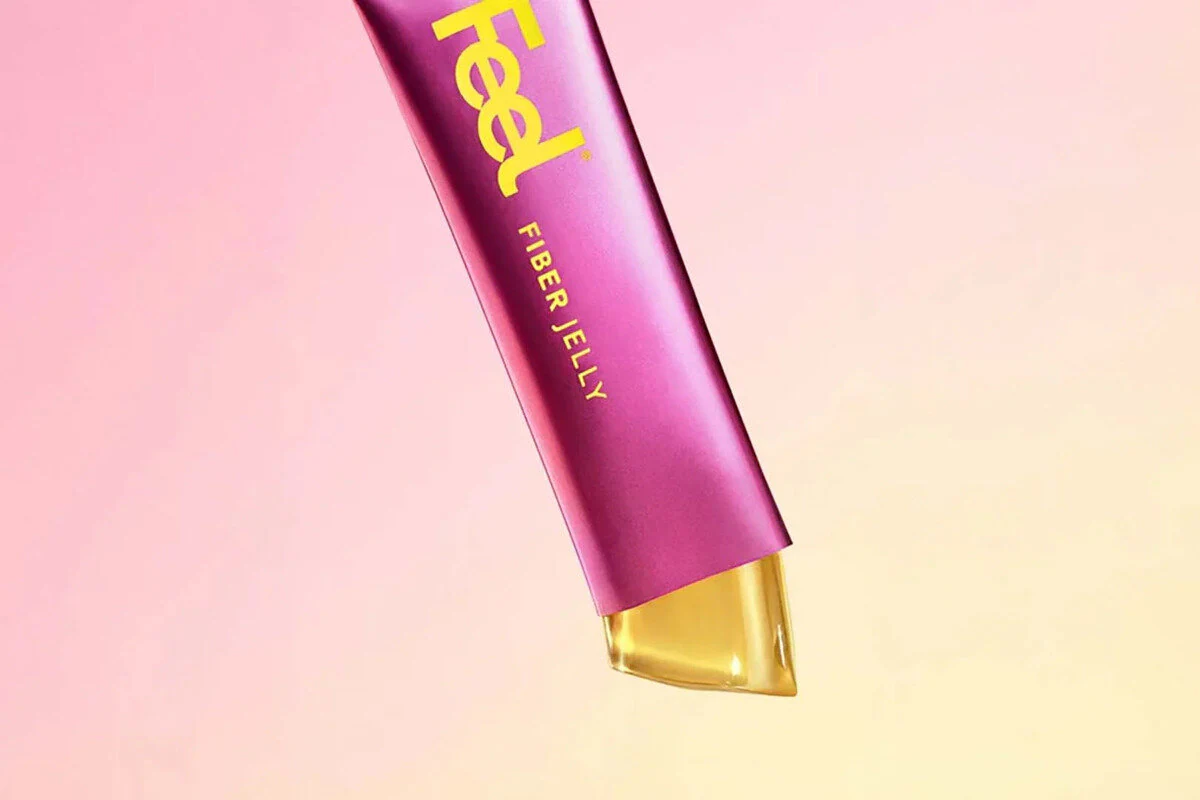
What is a jelly stick, and how is it different from white label or private label cosmetics?
A jelly stick is a food supplement in gel form, packed in a squeezable 15–30 g pouch — collagen, hyaluronic acid, fibre or vitamins, eaten without water. It's a different legal category from cosmetics: different registration, different claims, different label. White label cosmetics are ready formulas you put your brand on; a jelly stick project can be private label (proven formula, your brand), OEM (your specification) or custom (formula from zero). All three include EU compliance work.
Can I sell Korean jelly sticks in the EU as they are?
No. Korean products are formulated and labelled for Korean and US rules. For the EU, health claims must be rewritten to the approved list, ingredients checked against the novel food catalogue, the product classified as a supplement rather than confectionery, and notified to the national food authority. Selling without those steps means selling with an illegal label — and it's your name on the box.
What is the minimum order and what does it cost?
🔸 From 10,000 sticks. At 20 g per stick in boxes of 15, that's about 700 retail units. Cost depends on the route — private label collagen at 10,000 units sits at the lower end, a custom formula with a novel active at the upper — plus pack format and dose.
🔸 Most brands land at 30,000 sticks for a first commercial batch. We quote within 2–7 working days from a brief.
How long does it take?
White label: around 4-5 months from brief to stock in Europe.
Custom: 6-12 months.
The long parts are sampling (2–4 weeks depending on route), production (around 50 days from approval at a Korean facility) and shipping. Compliance and label work run in parallel, not after.
Custom: 6-12 months.
The long parts are sampling (2–4 weeks depending on route), production (around 50 days from approval at a Korean facility) and shipping. Compliance and label work run in parallel, not after.
Who owns the formula?
On OEM and custom routes, you do — formula, artwork and brand are yours from day one, in writing. On private label, you own the brand and the artwork; the base formula stays the facility's catalogue formula. Either way, nobody else sells your product under your name.
Can a jelly stick be vegan?
Yes. The gel base is plant-based by definition — carrageenan, agar, pectin or gellan, not gelatin. The question is the active: marine and bovine collagen aren't vegan. The answer is so-called vegan collagen — a blend of amino acids, vitamin C and plant extracts that supports collagen production rather than supplying it. Everydaze sells one on Amazon. For fibre and vitamin sticks the question doesn't come up.
Can I start with one product and one flavour?
Yes, and most brands do. One product, one flavour, one MOQ - test the market. A second flavour is a separate formula and a separate minimum — so don't add it at launch until the first one proves your audience buys. The rule from our cost calculator applies here too: the first product is a hypothesis, not a range.
What does sampling look like?
You get physical pouches to taste, not photos. Private label: 2–3 rounds, usually flavour and texture. OEM and custom: 3-6 rounds, because dose and gel base change too. Each round is about a week in the lab plus shipping. You sign off on a sample in writing — only then does production start.
Do sticks sell online, in drugstores, or both?
Both, but differently. Online wins on subscription and 30-count boxes. On the shelf it's a 10–15 count box at an impulse price point, and a pouch that looks good in a till-side display. If you're planning retail, let's design the pack for the shelf from day one — changing format after the first run means a new MOQ.


